
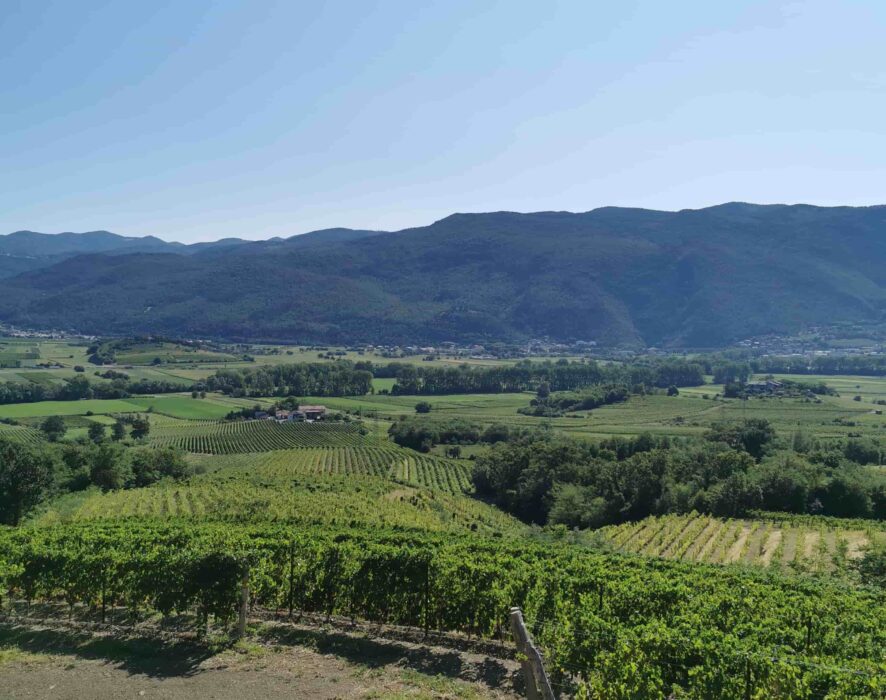
Hidden in the heart of Europe, Slovenia is a paradise for wine lovers, with a rich tapestry of flavours, history, and culture. With over 28,000 cellars and a staggering array of native and foreign grapes, Slovenia packs a big punch in the wine world. Your Slovenian wine guide will take you through the country’s three main wine regions—Primorska, Štajerska, and Dolenjska—revealing their unique terroirs and the wines you simply must try.
Slovenia’s Wine Regions at a Glance
Slovenia is divided into three primary wine regions, each with its own distinct characteristics and subregions. Let’s explore what makes each so unique.
- Primorska Wine Region
Located in the western part of the country, near the Adriatic Sea, Primorska is Slovenia’s most renowned wine region. Its Mediterranean climate, mineral-rich soil, and rolling hills offer ideal conditions for making quality wines. Primorska is also subdivided into four subregions, each offering unique expressions of Slovenian wine.
Vipava Valley: Known for its windy conditions and limestone-rich soil, the Vipava Valley produces aromatic whites like Zelen and Pinela, both indigenous to Slovenia. You’ll also find elegant reds such as Merlot and Barbera. The region is also a hotspot for Orange/Amber wine, an ancient style of winemaking where white wines are fermented with their skins, giving them a unique color, texture, and depth.
Karst (Kras): Familiar with red soil infused with iron, or “terra rossa,” Karst is virtually synonymous with Teran, a full-bodied red wine made from the Refosco grape. It pairs beautifully with the local air-dried ham, pršut.
Istria: Adjacent to Croatia, Istria is full-bodied red specialists, with Refosco and Refošk being the most well-known. The region’s whites, like Malvazija, are also distinguishable for their lush textures and mineral notes.
Goriška Brda: Also known as the “Tuscany of Slovenia,” Goriška Brda is renowned for its elegant wines, especially Rebula (Ribolla Gialla), Chardonnay, and Merlot. The area, like Vipava Valley, is also well-known for Orange/Amber wine production, demonstrating winemakers’ dedication to natural and traditional methods.
- Štajerska Wine Region
Extending across northeastern Slovenia, Štajerska is a cool-climate region renowned for white wine. The region’s fertile soils and varied altitudes produce crisp and aromatic wines.
Some of the most significant varieties include:
Riesling (Laški and Renski): Exhibiting floral and mineral traits.
Sauvignon Blanc: Renowned for its zesty acidity and herbaceousness.
Furmint: Known as Šipon locally, this is a versatile grape that is used for everything from sparkling to sweet wines.
- Dolenjska Wine Region
In southeastern Slovenia, Dolenjska is the birthplace of Cvi\rek, a unique, low-alcohol red blend made from a mix of red and white grapes. The region’s gentle hills and diverse soils are ideal for this amiable, everyday wine. In addition to Cvi\rek, Dolenjska produces snappy whites and lighter reds like Blaufränkisch (Modra Frankinja).
Discovering Primorska’s Subregions in Depth
If you’re new to Slovenian wine, Primorska is an excellent place to start your journey. Here’s a closer look at its subregions:
Vipava Valley
This valley is a treasure trove for white wine enthusiasts. The indigenous Zelen and Pinela grapes thrive in the valley’s breezy microclimate, resulting in wines that are light, fresh, and full of character. Visiting local wineries, you’ll often hear tales of how the “bora” wind influences the grapes, giving them their unique flavor profile. Additionally, Vipava Valley is one of the best places to experience Orange/Amber wine, a traditional winemaking style making a strong comeback.
Karst (Kras)
The Karst plateau is rugged and scenic, as are its wines. The star of the region, Teran, is full-bodied and packed with earthy, wild berry flavors. The winemakers of the region still adhere to traditional methods, like long maceration and oak aging, that yield wines of tremendous depth and structure.
Istria
Wines from this sun-kissed subregion are rich and lively. Malvazija, with its citrus and Mediterranean herb notes, is a standout, while Refošk offers a fruitier, spicier alternative. Pair these wines with some local seafood or truffle specialties for a truly unforgettable culinary experience.
Goriška Brda
If you’re looking for elegance, Goriška Brda is the place to be. The region’s Rebula is a must-try, offering a balance of crisp acidity and creamy texture. Many producers here are pioneers of organic and biodynamic farming, making Goriška Brda a haven for eco-conscious wine lovers. Like Vipava Valley, Goriška Brda is renowned for its Orange/Amber wine, offering wine enthusiasts a taste of Slovenia’s rich winemaking history.
Tips for Experiencing Slovenian Wine
For a proper immersion into Slovenia’s wine culture, it is ideal to experience it with a local guide. A guide can:
Tailor an itinerary to your interests, whether that’s boutique wineries or larger estates.
Introduce you to off-the-beaten-path stops, such as family cellars and innovative wine-pairing experiences.
Give you the background and folklore on each bottle, enhancing your tasting experience.
If you’d like to visit on your own, be sure to phone ahead to make appointments with winemakers, as most wineries are open by appointment only.
Slovenian winemakers are also embracing organic farming practices in droves, so the nation is a leader in sustainable viticulture. If you’re concerned about the environment and would like to try some eco-friendly wines, we have a special Organic Wine Tasting Tour on which you can sample some of the finest organic wines Slovenia has to offer.
Wine tasting in Slovenia offers a unique opportunity to explore the country’s diverse landscapes and rich heritage through its wines. Whether you’re savoring a crisp Rebula from Goriška Brda, a robust Teran from Karst, or a refreshing Cviček from Dolenjska, each sip tells a story of Slovenia’s passion for winemaking. Don’t forget to try Orange/Amber wine, a nod to Slovenia’s ancient winemaking traditions. So pack a bag, employ a local guide, and embark on a Slovenian wine adventure that will surely excite your senses and develop a greater appreciation for this unsung hero of the wine world.